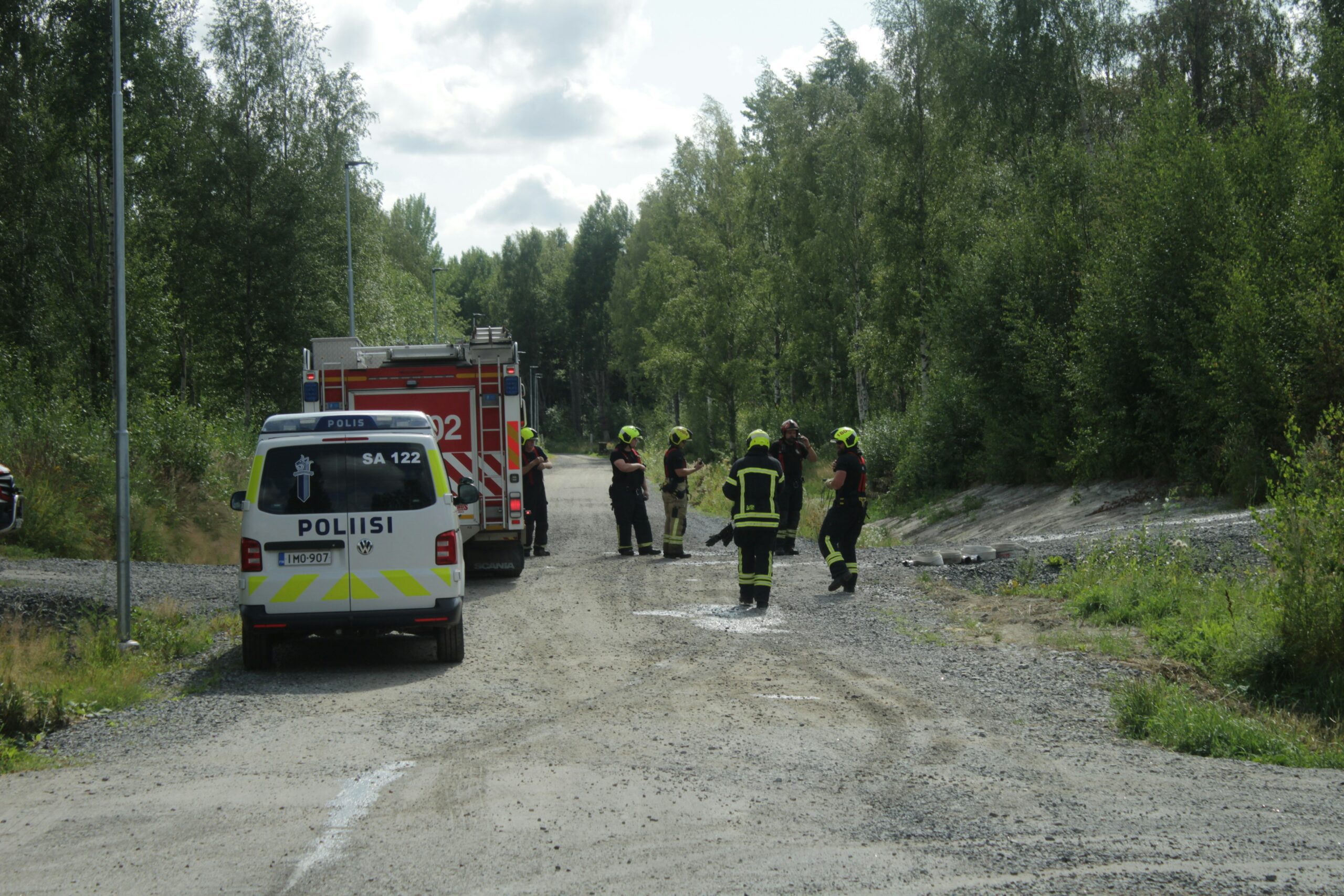
Critical Incident Risk Assessment Training: A Structured Approach to Managing Psychological Risk
Organisations operating in high-risk environments must be prepared to assess, manage, and mitigate the impact of critical incidents. These incidents can have serious operational and psychological consequences, affecting both personnel well-being and organisational stability.
Studies show that exposure to high-stress events without structured intervention can lead to increased risk of PTSD and burnout. The World Health Organisation (WHO) has highlighted that structured psychological intervention reduces the long-term impact of trauma and ensures better recovery outcomes (National Institute for Occupational Safety and Health, 2019; WHO, 2018).
What is a Critical Incident?
Definition: A Critical Incident is any incident that may cause intense psychological adversity; an incident that has the potential to become traumatic. (McCallum, 2026)
The Critical Incident Risk Assessment
The Critical Incident Risk Assessment is a structured framework designed to evaluate the severity of stress and trauma following critical incidents, helping organisations to identify risk factors early, ensuring that appropriate support is provided to help prevent the onset of long-term psychological harm. Research highlights that structured intervention systems reduce long-term psychological harm and improve resilience in professionals exposed to trauma (McFarlane & Bryant, 2007).
Understanding the Critical Incident Risk Assessment
The Critical Incident Risk Assessment operates through three key components, allowing for structured and objective evaluation of an incident’s potential impact.
1. Critical Incident Criteria
Structured assessment methods determine when and how an event qualifies as a critical incident. This ensures that organisations prioritise incidents that require immediate attention and intervention. The implementation of clear classification criteria allows for a more effective response in high-risk sectors, reducing operational downtime and improving crisis management (Everly & Mitchell, 2000).
2. Critical Interpretation Criteria
Critical interpretation criteria evaluate how individuals process and interpret critical incidents. The same event can be perceived differently based on personal experiences and perspectives, affecting psychological responses. Research suggests that individuals who view incidents as uncontrollable, unjust, or catastrophic are at greater risk of prolonged psychological distress. Psychological studies have demonstrated that perception influences long-term emotional well-being, making structured intervention crucial in reducing negative outcomes (Rose et al., 2002; Hobfoll et al., 2007).
3. Critical Impact Criteria
This final component involves assessing post-incident psychological and behavioural impacts. Symptoms of distress can manifest over time, making continuous monitoring essential. Research indicates that structured post-incident assessment improves recovery outcomes and reduces long-term mental health issues. Studies have found that individuals who receive structured follow-up care are less likely to develop chronic psychological disorders, leading to better overall mental health (Substance Abuse and Mental Health Services Administration, 2021; British Psychological Society, 2020).
Benefits of Critical Incident Risk Assessment
Enhanced Employee Well-Being
By systematically assessing and addressing the psychological impact of critical incidents, organisations can support their employees’ mental health, leading to increased job satisfaction and reduced turnover. Mental health support has been shown to increase resilience and workplace morale, leading to a more stable workforce (American Psychological Association, 2020; Mind UK, 2021).
Improved Operational Efficiency
Early identification and management of psychological distress can prevent performance issues, absenteeism, and errors, thereby maintaining productivity. Research has demonstrated that organisations with structured incident response models experience lower levels of staff attrition and increased workplace cohesion (Harvard Business Review, 2019).
Risk Mitigation
Proactive assessment and intervention reduce the likelihood of long-term psychological disorders among staff, decreasing potential healthcare costs and liability concerns. Implementing Critical Incident Risk Assessment ensures compliance with workplace safety regulations and promotes a proactive approach to mental well-being (Occupational Safety and Health Administration, 2020).
Strengthened Organisational Resilience
A structured approach to managing critical incidents fosters a culture of preparedness and adaptability, enabling the organisation to navigate future challenges more effectively. Research has found that organisations with proactive mental health strategies recover more quickly from crises and maintain higher levels of workforce engagement (Forbes, 2021).
Psychological Risk Management
The Critical Incident Risk Assessment provides a structured, evidence-based approach to assessing and managing the psychological and operational impacts of critical incidents. By implementing this evolutionary model, organisations can enhance workforce resilience, improve operational efficiency, and ensure the long-term well-being of personnel.
Prioritising early intervention and systematic assessment is not only a strategic advantage but also a testament to an organisation’s commitment to the health and safety of its workforce. Research supports that structured interventions and continuous assessment result in better crisis management and workforce retention, making the Critical Incident Risk Assessment a vital component in maintaining operational integrity (Journal of Occupational Health Psychology, 2020).
Choose Responder Resilience to help support your organisation with Critical Incident Risk Assessment Training
Learn More
Bibliography
McCallum, S. C. G. (2024) CRISIS.
Journal of Occupational Health Psychology (2020). Managing Workplace Trauma and Psychological Recovery.
American Psychological Association (2020). Trauma and Mental Health.
British Psychological Society (2020). Psychological First Aid Guidance for Emergency Services.
Everly, G. & Mitchell, J. (2000). Critical Incident Stress Management and Crisis Intervention.
Forbes (2021). The Importance of Mental Health in the Workplace.
Harvard Business Review (2019). The Value of Psychological Safety in High-Risk Professions.
Hobfoll, S.E. et al. (2007). Psychological Resilience and Stress Management in Trauma Response.
McFarlane, A.C. & Bryant, R.A. (2007). PTSD and Trauma Recovery in First Responders.
Mind UK (2021). Mental Health in the Workplace.
National Institute for Occupational Safety and Health (2019). Workplace Stress and Crisis Management.
Occupational Safety and Health Administration (2020). Workplace Stress and Employee Well-Being.
Rose, S., Bisson, J. & Wessely, S. (2002). Psychological Debriefing for Preventing PTSD.
Substance Abuse and Mental Health Services Administration (2021). Mental Health Interventions for High-Stress Professions.
WHO (2018). Mental Health in Emergencies and High-Risk Environments.


